Why OOH Advertising Should Be on Every Marketer’s Agenda This January

Emily Traviss
Senior Campaign Manager
January 7, 2026

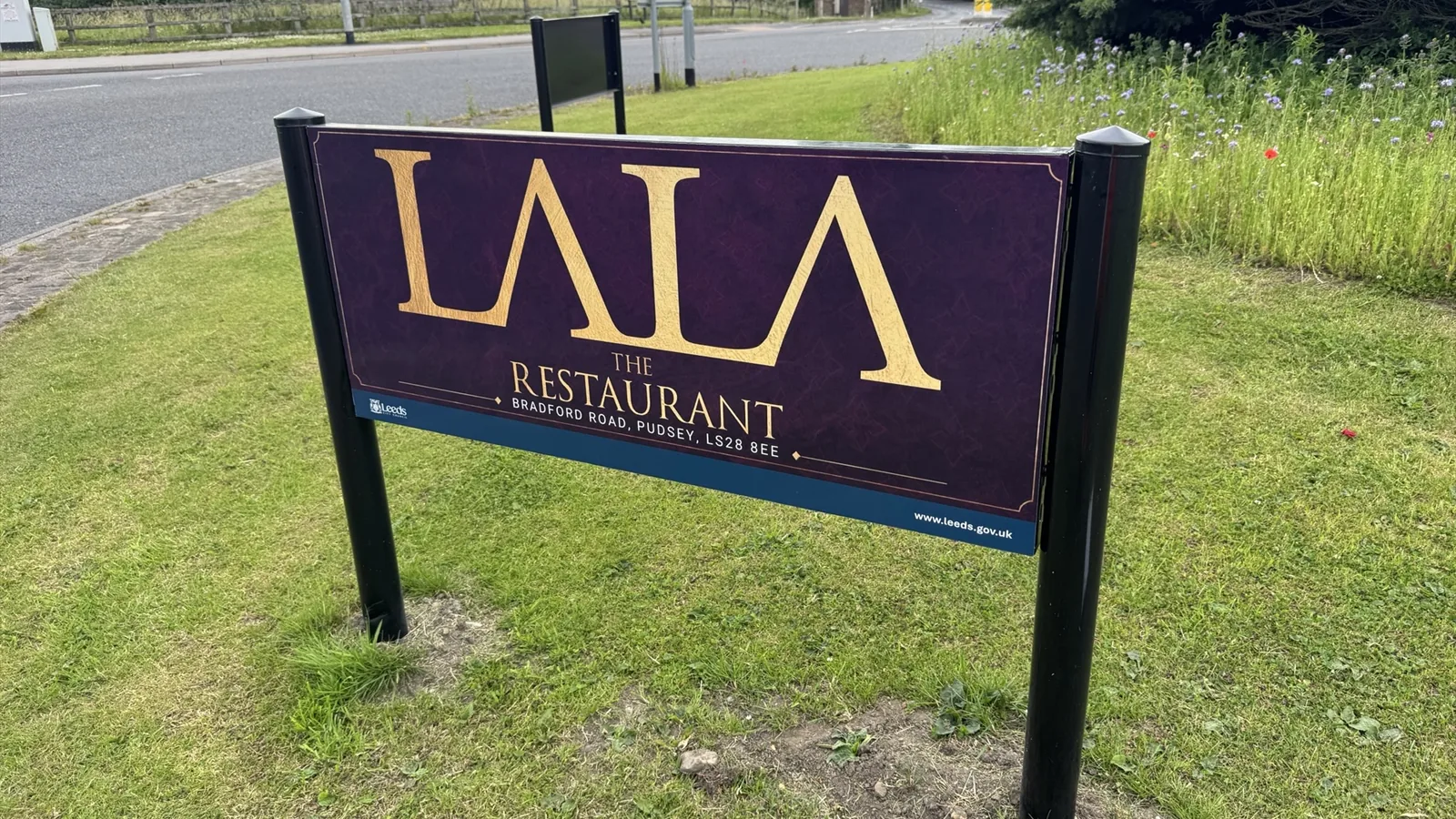
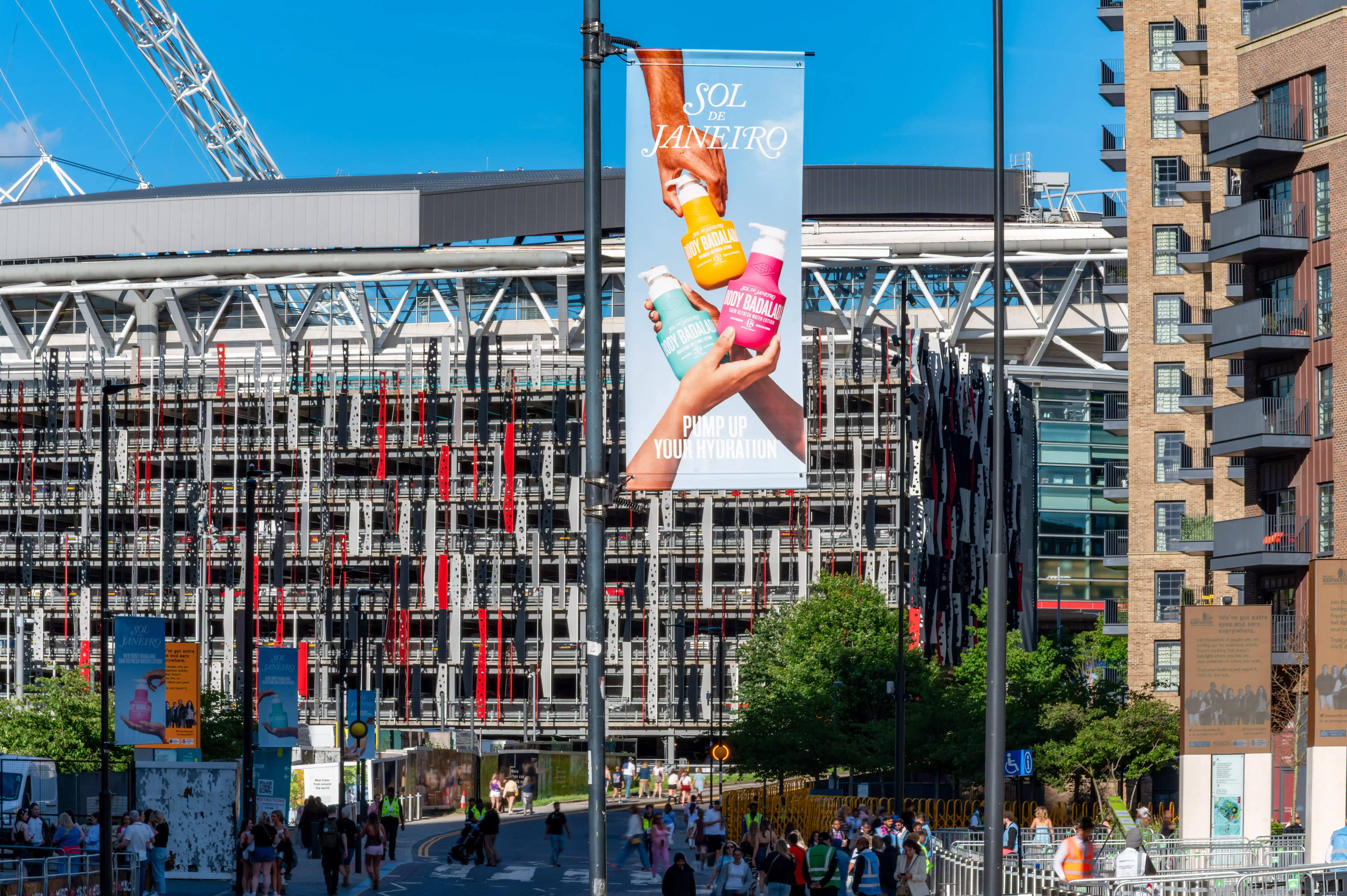
As we step into 2026, marketers face an increasingly complex media landscape. AI-driven personalisation, content automation, and endless social channels compete for attention, yet, amid the noise, traditional out-of-home (OOH) advertising is quietly reasserting its power. Bus wraps, tram panels, lamp post banners, airport placements, and roundabout takeovers are no longer “old-school.” They’re the strategic anchors of modern marketing.

1. Physical Visibility in a Digital Overload World

Consumers today are digitally fatigued. Screens follow them everywhere, and ad blindness is at an all-time high. OOH advertising breaks through that clutter, with the Power of One. A single brand. A single format. Long-term presence. No distractions. No rotation.

A campaign on a bus route or airport concourse demands real-world attention. It’s unavoidable, high-impact, and trusted precisely because it’s tangible. OOH reaches up to 90% of people in urban areas each week, making it one of the broadest reaching advertising channels available.

OOH placements build mental availability, ensuring your brand comes to mind at the moment of choice, long after the Instagram Story has vanished, studies have shown exposure to OOH has been shown to increase brand recall significantly — recall rates in the range of 30–60% depending on format and context.

2. Synergy With Online Campaigns

When done right, OOH amplifies every digital channel. A strong visual on a tram or lamp post can spark search intent, drive social shares, and feed your retargeting funnel.
Consumers exposed to OOH are 38% more likely to take digital action, according to recent studies — whether scanning a QR code, visiting a site, or following your brand on TikTok.

In January, when budgets reset and performance teams plan the year ahead, adding OOH into the mix creates a balanced, omnichannel foundation for success.

4. Brand Trust and Longevity

OOH communicates permanence. Unlike digital ads that flicker and disappear, a billboard or bus wrap signifies stability and confidence. For emerging brands, it signals legitimacy; for established ones, it reinforces market leadership.

As consumers become more sceptical of online authenticity, OOH offers something rare: credibility through visibility.

5. Perfect Timing for 2026 Campaign Planning

January is when brands set the tone and tempo for the year. Investing early in traditional OOH gives brands first pick of prime placements for spring and summer activations, when outdoor visibility peaks.

Moreover, integrating OOH now ensures alignment with broader campaign calendars, product launches, and events — from major sporting tournaments to political moments that dominate public spaces.

Keep up to date with the latest outdo ideas, projects and advertising news

Follow on LinkedIn

Traditional OOH advertising isn’t a throwback — it’s a comeback. In 2026, the smartest marketers will use it not as a nostalgic nod to the past, but as a physical amplifier for digital engagement, trust, and long-term brand growth.

If your brand wants to be seen, remembered, and trusted this year — it’s time to think beyond the screen, to think static, think solo, think owned – the power of one.

Recent Articles